

In the past two decades, the obesity rate has gradually increased all over the world. This ongoing rise results in a high level of obesity-related diseases such as diabetes, high blood pressure, infertility… There is more than one solution to deal with obesity; bariatric surgery is one of them.
Also known as weight loss surgery, bariatric surgery is a surgical procedure for weight loss that aims to alter the capacity of the stomach or reduce the volume of food absorbed.
In this article, we are going to provide you with a deeper understanding of the BMI, bariatric surgery’s best candidate, the techniques used, and the preoperative and postoperative phases.
Body Mass Index (BMI)
The Body Mass Index (BMI) is the only index approved by the World Health Organization (WHO) to measure an individual’s weight and, eventually, their potential health risks. This index enables you to identify whether you are underweight, overweight or obese.
If your BMI is over 40, you are considered severely, morbidly, or massively obese.
Best Candidate
Beyond your desire to lose weight, there are some criteria that you must fulfil. You can undergo the procedure if you have:
- Extra 100 lbs (approx. 45 kg) over your ideal weight
- BMI > 35 with comorbidity (mobility, diabetes, high cholesterol) or BMI > 40
- Tried, without success, to lose weight following several months of intensive medical care (including diet and physical activity)
- No psychological contraindications
Once the above-mentioned criteria are met, your medical record is completed, and you are physically and psychologically ready to embark on this journey, it is time to learn more about weight loss techniques.
Available Techniques
There are three techniques used in bariatric surgery:
1. Vertical Sleeve Gastrectomy (VSG)
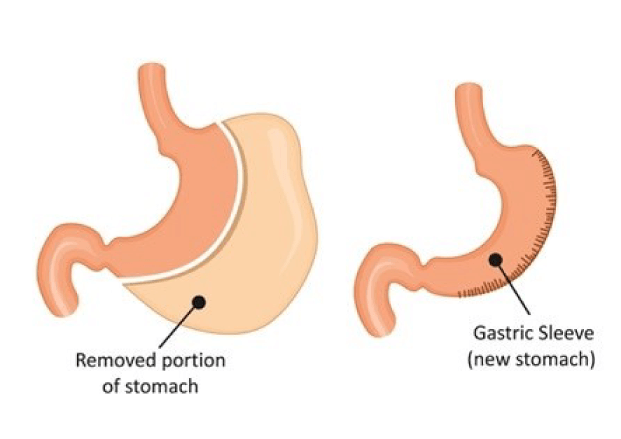
Vertical Sleeve Gastrectomy (VSG) targets patients with BMI > 35 and aims to reduce the feeling of hunger and, eventually, about 70 % of the excess weight. This solution consists of dividing the stomach into two parts: the smaller part (on the left) becomes the new stomach, and the bigger part (on the right) is extracted from the body.
2. Gastric Bypass (Roux-en-Y)
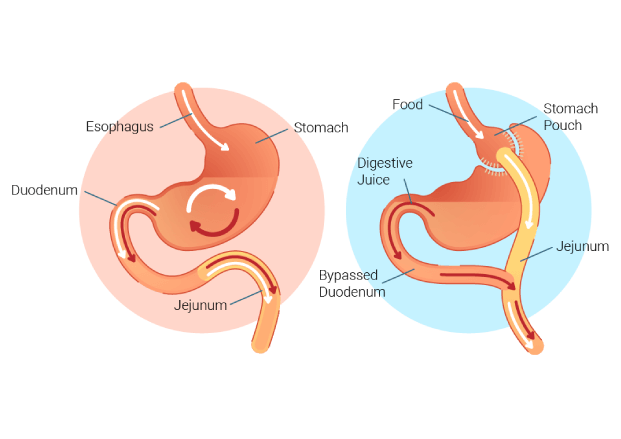
Gastric Bypass targets patients with BMI > 35 and helps get rid of up to 70 % of the excess weight. This technique divides the stomach into two parts: the smaller one, connected to the oesophagus, becomes the new stomach, and the bigger one, connected to the duodenum, is bypassed. The bypassed part stays inside the body, but its only function becomes producing gastric juice.
3. Intragastric Balloon
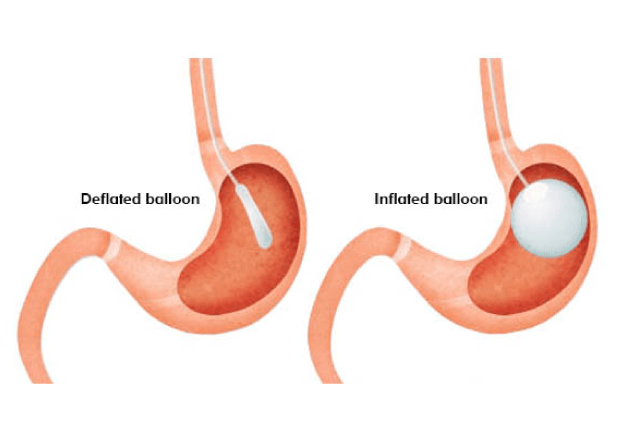
The intragastric balloon procedure places a balloon filled with air or saline (saltwater) into the stomach to reduce the amount of food absorbed. This balloon must be removed every six months. It helps lose about 10 % of your excess weight if your BMI is between 30 and 34.9.
The decision on the appropriate technique depends on the multidisciplinary team: a bariatric surgeon, dietitian, psychologist and anaesthetist.
Wondering what happens during the procedure and what you need to do beforehand? Scroll down to learn more!
Preoperative Phase
Before surgery, a primary consultation with a surgeon is a must, both to examine your body and to identify whether you have any contraindications to the operation.
If you are a woman planning to get pregnant, note that you cannot get pregnant within the first 12 months to two years following surgery.
Postoperative Phase
Following weight loss surgery, you can resume work in a couple of days, as the recovery time is very short — you only need to stay 2 to 3 days at the clinic.
Furthermore, you need to keep eating healthily, monitor your weight progress, and most importantly avoid weight regain.
During the next few days or weeks, you will gradually become more mobile, take far fewer medications, and have much more time with your family.
Benefits vs. Risks
All surgeries can guarantee major benefits; however, with these benefits come risks that you need to be aware of.
Weight loss surgery benefits are:
- Lose around 60 to 70 % of your excess weight
- Feel full all the time
- Resume your daily activities in a very short time
Weight loss surgery risks are:
- Staple line leak
- Usual anaesthesia complications
- Weight regain
In a nutshell, weight loss surgery has helped thousands of people change their lives and live more healthily by taking fewer medications than before.
Have you ever been through this procedure? If yes, you can share your experience in the comment section below! If not, would you take the next step to get rid of your excess weight and live a healthier life?